
Trees add beauty, shade, and value to any property—but what happens when they start showing signs of decline? A dying tree can be a serious hazard if left untreated, but with proper care, you may be able to restore it or, at the very least, remove it safely before it causes damage.
At Matt Mitko Expert Tree Climber, we specialize in identifying and addressing tree health issues before they become dangerous. Here’s what you need to know about caring for a dying tree and when it’s time to call in a professional.
Signs Your Tree is Dying
Trees don’t just die overnight. There are often warning signs that indicate they’re struggling. If you notice any of the following, it may be time to take action:
- Bare Branches Out of Season – If your tree isn’t growing leaves in spring or summer, it could be in decline.
- Brittle or Peeling Bark – Bark protects the tree; when it starts peeling excessively or falling off, the tree is in trouble.
- Fungal Growth – Mushrooms or fungi growing on the trunk often signal internal decay.
- Large Dead Branches – A few dead branches are normal, but if a significant portion of the tree is lifeless, the tree may be beyond saving.
- Leaning or Cracks in the Trunk – If the tree starts leaning or has deep cracks, it may be structurally unstable and in danger of falling.
If you spot any of these signs, it’s best to consult an expert as soon as possible.
Steps to Help a Dying Tree
If your tree is in the early stages of decline, there are steps you can take to try and revive it:
1. Identify the Root Cause
Before taking action, determine what’s causing the decline. Common culprits include:
- Pest infestations
- Fungal infections
- Poor soil conditions
- Root damage
- Severe weather damage
A professional arborist can assess the situation and suggest the best course of action.
2. Improve Soil & Watering Habits
Trees need proper nutrients to thrive. Test your soil to ensure it has the right balance of nutrients and adjust your watering habits based on the tree’s needs. Too much or too little water can stress the tree.
3. Prune Dead or Dying Branches
Careful tree pruning can help remove dead branches and encourage healthy new growth. However, excessive pruning can weaken a tree further, so it’s best to have a professional like Matt Mitko Expert Tree Climber handle it.
4. Treat for Pests & Disease
If pests or fungi are causing the decline, specialized treatments may be needed. Professional tree services can recommend environmentally friendly solutions to protect your tree.
5. Provide Support for Weak Trees
If a tree is struggling but still structurally sound, adding cabling or bracing can help it regain strength. This is especially useful for trees that have suffered storm damage.
When to Remove a Dying Tree
Unfortunately, not all trees can be saved. If a dying tree poses a risk to people, buildings, or power lines, it needs to be removed before it falls. Signs that a tree is beyond saving include:
- More than 50% of the tree is dead
- Significant trunk damage or hollowing
- The tree is leaning dangerously
- It has already started dropping large limbs
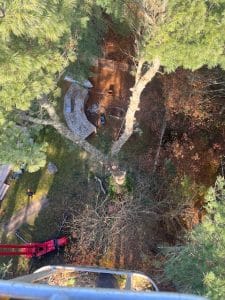
At Matt Mitko Expert Tree Climber, we specialize in safe tree removal, even in difficult or tight spaces. Our compact aerial lift allows us to reach trees in backyards or areas with limited access, making the removal process smooth and efficient.
Need Help with a Dying Tree? Call the Experts!
If you have a dying tree on your property, don’t wait until it becomes a hazard. Whether it needs professional care or full removal, Matt Mitko Expert Tree Climber is here to help.
Contact us today for a consultation! Call 508-274-6383 or visit our website to schedule an appointment. Let’s keep your property safe and beautiful this winter!